 Sentry
Selected News
Risk vs Threat Assessment Understanding the Core Differences
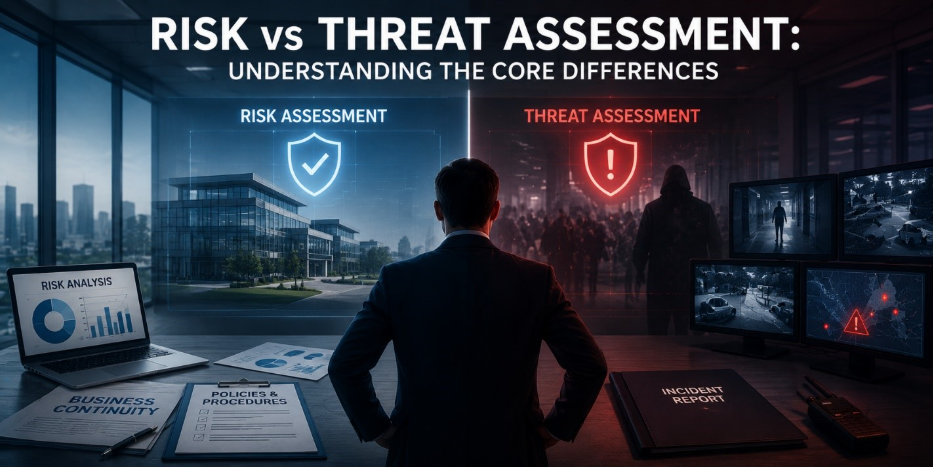
Security decisions are most effective when they are based on facts instead of assumptions. Many organizations know they need to protect their people, property, and operations, but they often confuse risk assessments with threat assessments. While the two are connected, they answer different questions and play distinct roles in building a safer workplace.
Knowing the difference helps businesses identify security priorities, allocate resources wisely, and address vulnerabilities before they become costly problems.
What Is Threat Risk Assessment in St. Louis?
A professional Threat Risk Assessment in St. Louis examines both potential threats and the risks they create for a business. It identifies possible sources of harm, evaluates existing vulnerabilities, and helps organizations prioritize security improvements based on their environment and operations. Instead of reacting after an incident occurs, businesses gain valuable insights that support better planning and decision-making.
Understanding a Threat Assessment
A threat assessment focuses on identifying events, situations, or individuals that could potentially cause harm. The objective is to determine what dangers exist and how likely they are to occur.
Threats may include:
• Unauthorized entry
• Theft and burglary
• Workplace incidents
• Vandalism
• Civil disturbances
• Natural disasters that may disrupt operations
By recognizing these threats early, organizations can begin planning appropriate security measures before problems arise.
Understanding a Security Risk Assessment
A security risk assessment goes a step further. Instead of looking only at possible threats, it evaluates how vulnerable a business is to those threats and estimates the potential impact if they occur.
During a risk assessment, security professionals typically review:
- Building access points
- Existing security procedures
- Visitor management processes
- Employee safety protocols
- Physical barriers and lighting
- Emergency response planning
The goal is to identify weaknesses that could increase the chances of a security incident.
Risk vs Threat: What's the Difference?
Although the terms are often confused, the difference is fairly simple.
• A threat is anything capable of causing harm.
• A risk is the possibility that the threat will successfully cause damage because of existing vulnerabilities.
For example, theft is a threat.
A warehouse with limited lighting, poor access control, and minimal surveillance faces a higher risk than one with stronger security measures.
Threat assessments identify what could happen.
Risk assessments evaluate how exposed your organization is if those threats occur.
Together, they provide a much clearer understanding of your overall security posture.
Why Both Assessments Matter
Looking at only one side of the equation can leave important gaps.
Combining risk management, threat analysis, and security planning allows businesses to:
- Identify vulnerabilities before they become costly issues.
- Prioritize security investments based on actual exposure.
- Improve employee and visitor safety.
- Support emergency preparedness.
- Reduce operational disruptions.
- Make informed long-term security decisions.
This proactive approach helps organizations focus on the areas that need attention most instead of responding after an incident has already occurred.
A thorough assessment doesn't simply point out potential problems. It provides a clear understanding of where security gaps exist and which areas deserve immediate attention. As discussed in our article on Why Threat Risk Assessment Matters for Businesses and Facilities in St. Louis, proactive assessments help organizations recognize vulnerabilities early, support informed decision-making, and reduce the chances of unexpected security incidents.
Common Areas Evaluated During a Security Assessment
Every property is different, but professional assessments often review several key areas.
Physical Security
Security experts inspect fences, gates, entrances, exits, parking lots, lighting, and other physical barriers that affect property protection.
Access Control
Reviewing who can enter restricted areas helps identify opportunities to strengthen building security and visitor management.
Operational Procedures
Daily security routines, employee responsibilities, and emergency response plans are evaluated to identify potential weaknesses.
Environmental Factors
The surrounding neighborhood, nearby businesses, crime patterns, and property layout can all influence the level of security risk.
Vulnerability Analysis
Professionals examine how existing weaknesses could be exploited and recommend practical improvements that fit the organization's needs.
Who Benefits from Threat and Risk Assessments?
Nearly every organization can benefit from a professional security assessment, including:
- Commercial office buildings
- Retail businesses
- Manufacturing facilities
- Healthcare organizations
- Educational campuses
- Warehouses
- Construction sites
- Residential communities
Each location has different security concerns, making a customized evaluation valuable for identifying priorities.
Building a Smarter Security Strategy
Security planning is most effective when businesses understand both the threats they may face and the risks created by their current vulnerabilities. A threat assessment identifies potential dangers, while a risk assessment measures how those dangers could affect operations. Together, they provide the information needed to make informed security decisions, improve preparedness, and reduce potential exposure over time.
Call to Action
Understanding your property's security risks is the first step toward making smarter decisions. Sentry Security provides professional Risk & Threat Assessment services that help businesses identify vulnerabilities, evaluate potential threats, and develop practical security recommendations.
Contact our team today to learn how our Risk & Threat Assessment services can help support your organization's security goals.