 Sentry
Selected News
Security Guard Check-Ins: How Often Should They Report to Supervisors?
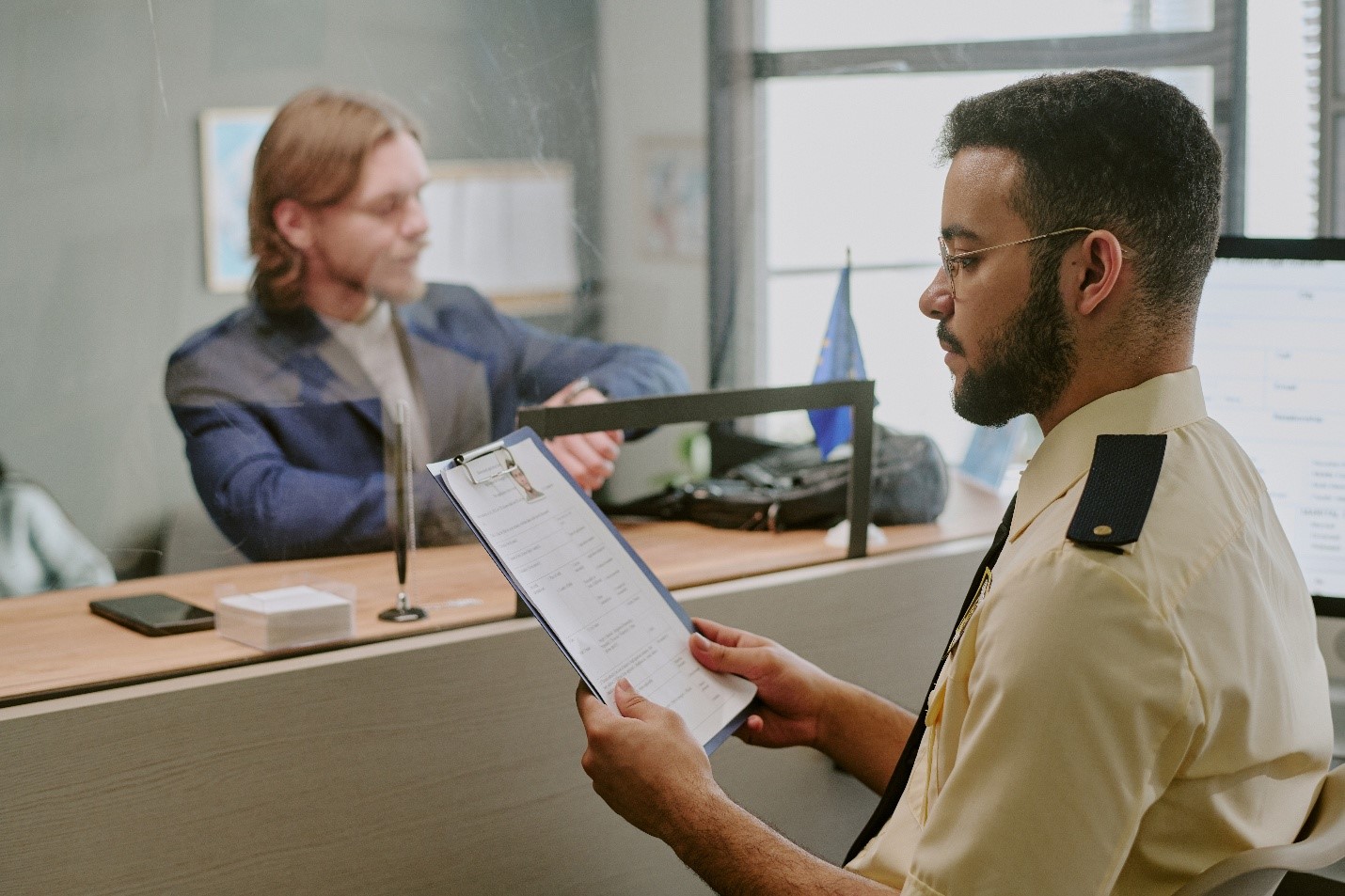
Security guards are often the first to notice unusual activity, safety concerns, or operational issues on a property. Their observations become far more valuable when shared with supervisors at the right time. Private security companies in St. Louis recognize that regular check-ins are not just a routine task. They are a key part of maintaining smooth communication, coordinating security teams, and keeping clients informed throughout the day.
Businesses that invest in private security officers, security patrol services, commercial security guards, on-site security services, and mobile patrol officers expect more than routine patrols. They expect officers who communicate clearly, report accurately, and remain connected with supervisors from the beginning to the end of every shift.
Check-Ins Create Real-Time Awareness
A supervisor cannot be present at every entrance, parking lot, warehouse, or office building at once. Regular updates from Security Officers provide a real-time understanding of what is happening across the property. In operations that include Roving Patrol services, these updates become even more important for maintaining visibility across larger areas.
These updates help supervisors:
• Monitor daily operations without interrupting patrols.
• Recognize unusual activity early.
• Make informed decisions based on current site conditions.
• Coordinate resources across multiple locations.
• Respond quickly if additional support or Alarm Response is required.
Instead of reacting after an issue occurs, supervisors can stay informed throughout the entire shift.
Reporting Frequency Should Match Business Operations
Every property has its own routine, which means reporting schedules should reflect the pace of daily activity.
During Business Hours
Busy workplaces often experience deliveries, employee movement, customer traffic, and contractor visits. Guards may report after completing designated patrols or at scheduled intervals to keep supervisors updated on changing conditions while ensuring
daily security operations remain uninterrupted.
Overnight Security
Properties with fewer people on-site still require regular communication. Check-ins confirm that patrols are being completed and that buildings remain secure during quieter hours. In facilities using Alarm Response services, these updates help teams respond faster when alerts are triggered unexpectedly.
During Special Events
Concerts, corporate events, festivals, or seasonal shopping periods involve larger crowds and increased activity. More frequent reporting allows supervisors to monitor crowd movement, parking areas, entrances, and emergency situations without delay.
Every Check-In Should Add Value
A professional report should provide useful information that helps supervisors understand the property's current condition. Many security companies now use electronic-guard-supervision systems to improve reporting accuracy and provide real-time operational visibility for supervisors managing multiple officers.
Useful check-ins may include:
• Areas recently patrolled
• Visitor or contractor activity
• Delivery vehicle observations
• Open gates or unlocked doors
• Damaged fencing or lighting
• Weather conditions affecting the property
• Safety hazards requiring maintenance
• Suspicious behavior or unusual activity
The goal is to provide meaningful updates instead of simply confirming that patrols were completed.
Communication During Shift Changes Is Equally Important
One of the most overlooked parts of security operations is the transition between shifts.
Before leaving, officers should inform incoming guards about:
- Active investigations
- Areas needing additional attention
- Equipment concerns
- Visitors expected after hours
- Maintenance requests
- Temporary access restrictions
A thorough handoff helps the next officer continue patrols with complete awareness of the property's current status.
Supervisors Need More Than Incident Reports
Many people associate supervisor communication only with emergencies. In reality, supervisors rely on routine updates just as much as incident reports.
Regular communication allows supervisors to:
- Verify guard locations.
- Confirm patrol schedules are being followed.
- Identify recurring concerns.
- Adjust patrol assignments when needed.
- Maintain service quality across multiple client locations.
These small updates often prevent larger issues from developing later.
Different Industries Have Different Reporting Needs
Security reporting varies depending on the industry being served.
Retail Properties
Guards may report customer disturbances, parking lot activity, delivery schedules, and store closing procedures.
Office Buildings
Reports often include visitor management, access control observations, employee arrivals after business hours, and building maintenance concerns.
Construction Sites
Check-ins typically focus on equipment security, contractor access, perimeter inspections, and unauthorized entry attempts.
Residential Communities
Officers may provide updates about visitor access, community patrols, parking violations, or common area observations.
Each environment requires communication that reflects its daily operations and security priorities.
Technology Supports Faster Reporting
Today's security guard services often combine traditional communication with digital reporting systems.
Depending on the assignment, officers may use:
- Mobile patrol reporting software
- GPS checkpoint verification
- Electronic daily activity reports
- Two-way radios
- Mobile phones
- Digital incident documentation
These tools allow supervisors to receive updates quickly while maintaining organized records for clients.
Consistent Reporting Reflects Professionalism
Clients often judge a security company by the quality of its communication as much as its physical presence.
Professional reporting demonstrates that officers remain attentive throughout their shifts, supervisors stay actively involved, and every security concern receives proper documentation. Clear communication also builds confidence that security operations continue smoothly even when supervisors are managing multiple locations.
Conclusion
The ideal reporting schedule depends on the property's size, daily activity, and security requirements. Some locations may only need hourly updates, while others require communication every few minutes during busy periods. The important factor is that every check-in provides meaningful information that helps supervisors manage operations effectively. Strong communication keeps security teams connected, improves decision-making, and supports a more organized approach to protecting people and property.
Work with Sentry Security for Experienced Private Security Officers
Reliable security starts with trained professionals who understand the importance of communication, accountability, and consistent reporting. Sentry Security provides experienced private security officers who deliver trustworthy patrol services, detailed documentation, and professional supervision for commercial, industrial, residential, and retail properties.
Contact us today to learn how our Private Security Officer services can support your security needs.