 Sentry
Selected News
Keeping Parking Garages Secure with Trained Security Guards
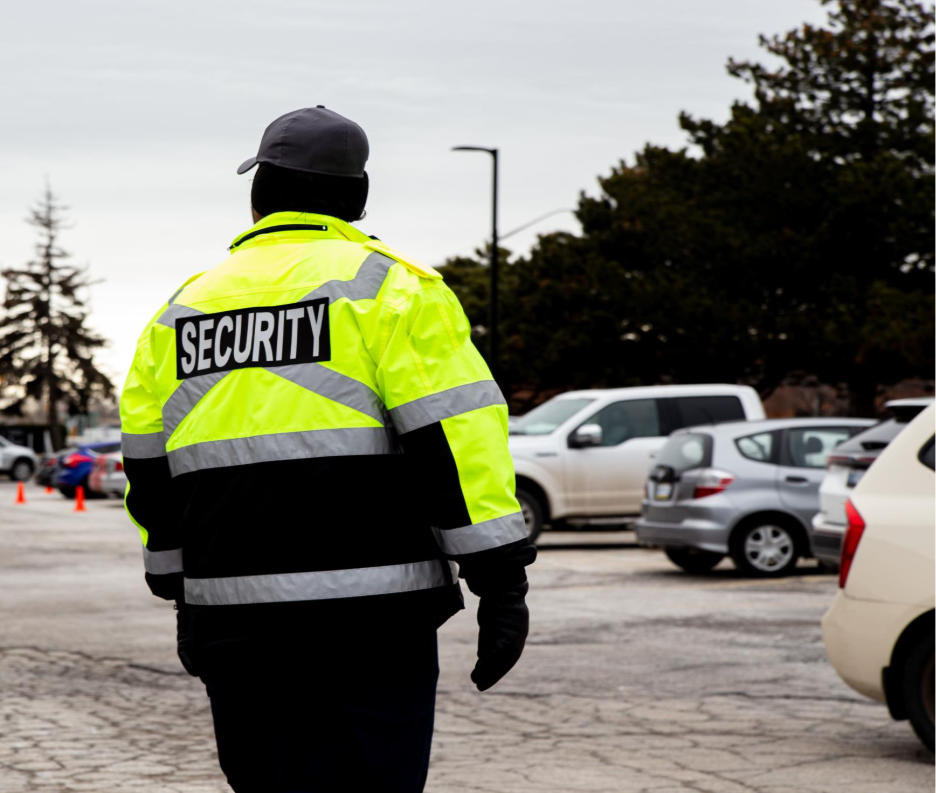
Parking garages may look ordinary—rows of parked cars, concrete ramps, stairwells—but they’re among the most vulnerable parts of a property. Poor lighting, multiple access points, and long stretches with little foot traffic make them prime spots for theft, vandalism, or personal safety concerns. That’s why many property owners rely on roving patrol security. Trained guards moving through the garage at unpredictable times and routes can dramatically improve safety and peace of mind.
Why Garages Need More Than Cameras
Cars sit unattended for hours, sometimes overnight. People walk in and out alone, often distracted with phones, keys, or bags. Cameras can be recorded, but they can’t intervene. Stationary guards are limited to one spot. Roving patrols fill the gap—covering more ground, creating a visible presence, and responding in real time.
How Roving Patrols Work
The strength of roving patrols is in their mobility and unpredictability. Guards rotate their schedules and routes, so there’s no pattern for potential criminals to exploit. A patrol might check stairwells on one round, focus on elevators the next, and spend extra time at entry gates during busy hours. This constant movement makes offenders think twice and reassures tenants that help is close by.
Patrols also allow guards to be proactive. They don’t wait for an alarm or report—they’re actively watching, listening, and engaging. They notice things others miss: a car door left open, a broken light in a corner, or someone loitering near vehicles. Their presence alone can defuse situations before they become serious.
Expanded Role of Roving Patrol Guards
Roving patrols aren’t just about walking or driving through the garage. They add multiple layers of safety and service, including:
Rapid emergency response: Reaching incidents quickly, whether it’s a medical issue, fire alarm, or car accident.
Customer interaction: Escorting someone who feels unsafe, guiding visitors, or answering questions.
Traffic management: Directing cars when elevators, gates, or ramps cause bottlenecks.
Incident prevention: Addressing small problems early—like a group loitering—before they escalate.
Hazard checks: Identifying oil spills, debris, or icy patches that could cause accidents.
Rule enforcement: Preventing unauthorized parking or overnight stays.
Law enforcement coordination: Acting as first responders and providing accurate details when police are called.
Why Roving Patrols Fit Parking Garages Perfectly
Few spaces benefit from roving patrols as much as parking garages. The layout is full of blind spots and choke points that require constant monitoring. Vehicles create natural cover for suspicious activity. And because people often feel uneasy in dark or isolated areas, the visible presence of a patrolling guard can make a huge difference in comfort and confidence.
The Sentry Security Advantage
Sentry Security specializes in this type of proactive protection. Our approach to roving patrols is flexible and property-specific, ensuring comprehensive coverage of where it matters most. Some garages need frequent checks on stairwells; others require more focus on elevators or vehicle entrances. Sentry’s guards are trained to balance security with approachability, so tenants and visitors feel both protected and supported.
Conclusion
Parking garages may not always get the same attention as lobbies or offices, but they’re critical to the safety and reputation of a property. Roving patrols provide a moving line of defense—visible, responsive, and adaptable. With Sentry Security, property owners get more than guards; they get a team dedicated to protecting people, vehicles, and the value of the facility.
Ready to strengthen security where it matters most? Learn more about roving patrol security with Sentry Security.